Signs It’s Time to Replace Your HVAC System Before Winter Hits
As winter approaches, ensuring that your home remains warm and comfortable becomes a top priority. An HVAC system is more than just a convenience—it is essential for maintaining indoor comfort and safety during the colder months. However, many homeowners wait until a breakdown occurs to consider replacement, often resulting in inconvenient repairs, higher costs, and potential safety hazards. A failing system can also compromise indoor air quality and humidity control, making the home less healthy and less comfortable. Understanding the signs of an aging or failing system before winter hits allows for proactive measures, ensuring reliable performance when it matters most. Early planning not only safeguards against unexpected outages but also provides an opportunity to invest in more energy-efficient technology that lowers heating costs and increases long-term comfort.
Recognizing early indicators of HVAC failure involves more than checking whether the system is operational. Factors such as unusual noises, uneven heating, frequent repairs, and rising energy bills provide critical insight into the system’s condition. Homeowners should also watch for fluctuating indoor temperatures, persistent dust accumulation, or strange odors coming from vents, as these can signal deeper mechanical or ductwork issues. By identifying these warning signs, homeowners can plan for timely replacement, avoiding the stress and expense of emergency repairs during peak winter demand. This guide offers a detailed, actionable approach to assessing HVAC health, providing practical advice for determining when a replacement is necessary. From efficiency considerations to system lifespan and safety concerns, readers will gain a clear understanding of the most important indicators that an HVAC system is nearing the end of its useful life, helping them make informed decisions before the cold season sets in.
1. Age and Lifespan of the HVAC System
Understanding Typical HVAC Lifespan
Most HVAC systems are designed to last between 10 to 20 years, depending on usage, maintenance, and environmental conditions. While high-quality systems with regular service may last toward the upper end of this range, older units often operate at reduced efficiency. A system approaching or exceeding 15 years should be evaluated for replacement, even if it is still functioning. The cost of maintaining an aging system frequently outweighs the investment in a modern, energy-efficient replacement.
Signs of Aging Components
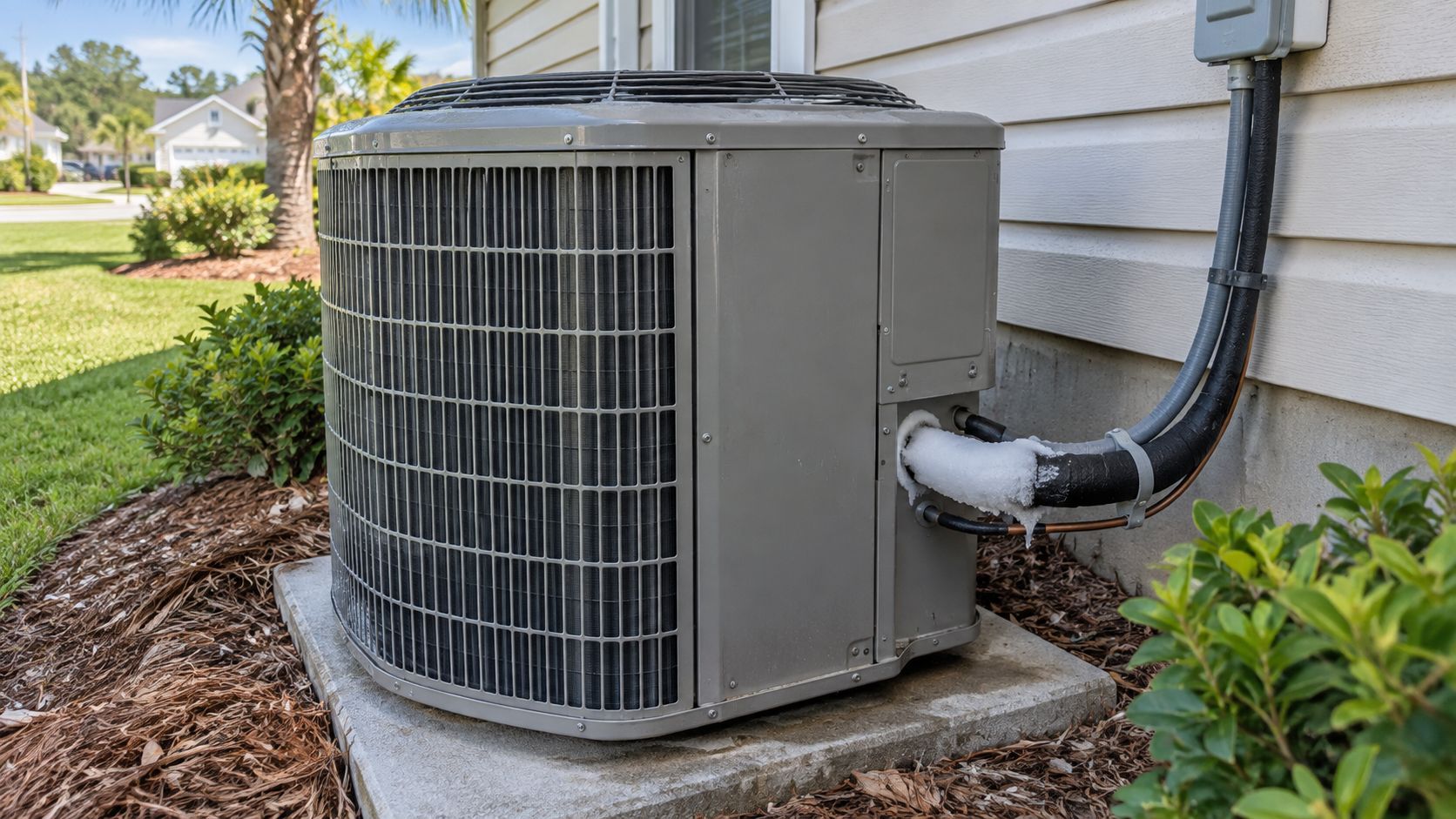
Older systems may show signs such as rusted components, corroded ductwork, or deteriorating insulation. Compressors, fan motors, and heat exchangers in aging units often struggle to perform at optimal levels, resulting in inconsistent heating and higher energy consumption. Visual inspection combined with professional evaluation can determine whether repairs are feasible or whether replacement is the most cost-effective choice.
Real-World Scenario
Consider a home where the HVAC system is 16 years old and has required multiple repairs over the past winter. Despite functioning, the system’s energy bills have increased by 20% compared to previous years, and some rooms remain cooler than others. This situation highlights the diminishing returns of repairing an aging system and the practical need for replacement before winter.
2. Unusual Noises and Operational Irregularities
Common Warning Sounds
Noises such as rattling, grinding, banging, or hissing often indicate mechanical issues within the HVAC system. Loose belts, worn bearings, or refrigerant leaks are frequent culprits. While some issues can be repaired, persistent or escalating noises suggest that the system’s components are under stress, reducing lifespan and efficiency.
Irregular Heating Patterns
If certain rooms remain significantly colder than others or the system cycles on and off frequently, it may indicate failing components or insufficient capacity. Older systems may struggle to maintain consistent airflow, especially during prolonged winter demand. Uneven heating not only reduces comfort but also forces the system to work harder, increasing energy costs and risk of failure.
Expert Insight
HVAC experts recommend paying attention to operational irregularities early. Prompt evaluation can reveal whether repairs will restore performance or if replacement is a safer, longer-term solution. Addressing these issues proactively prevents emergency breakdowns when outdoor temperatures are at their lowest.
3. Rising Energy Bills and Efficiency Loss
Understanding Energy Inefficiency
One of the clearest indicators of a failing HVAC system is a noticeable increase in energy bills. As components wear, motors and compressors require more power to achieve the same level of heating. This inefficiency is not only costly but can also indicate underlying mechanical stress that may lead to failure.
Evaluating System Performance
Homeowners can monitor efficiency by comparing monthly energy usage to historical averages. A significant spike, especially in older systems, signals that the unit is working harder than necessary. Energy-efficient systems installed today meet higher standards, often offering savings of 20–40% compared to older units.
Case Example
A 14-year-old furnace may run longer each day to maintain the same indoor temperature as it did five years ago. Heating bills escalate, and frequent repairs become necessary. Replacing the system with a modern, high-efficiency unit reduces operating costs, provides consistent warmth, and avoids the inconvenience of repeated breakdowns during winter.
4. Frequent Repairs and Maintenance Issues
Patterns Indicating Replacement
If the HVAC system requires multiple repairs within a short period, this is a strong indicator that replacement should be considered. While occasional maintenance is normal, repeated failures—especially of major components such as compressors, heat exchangers, or control boards—suggest that the system is nearing the end of its useful life.
Risks of Ongoing Repairs
Relying on continuous repairs increases both costs and downtime. Additionally, frequent interventions can introduce further mechanical stress, accelerating wear on other components. By evaluating the cumulative repair costs against the price of a new system, homeowners can make a financially sound decision.
Best Practices
Maintain a detailed record of all maintenance and repair activities. This history enables a more accurate assessment of whether ongoing fixes are sustainable or if a full replacement is the most practical solution before winter. A system with repeated failures is more likely to fail completely during peak demand, making proactive replacement the safer option.
5. Poor Indoor Air Quality and Comfort Issues
Signs of Degraded Airflow
Dust accumulation, stale air, and uneven humidity levels are common indicators that the HVAC system is not operating optimally. Aging ductwork, clogged filters, and worn components reduce airflow, making it difficult to maintain consistent indoor temperatures.
Impact on Health and Comfort
Inefficient heating can exacerbate indoor air quality issues, triggering allergies or respiratory discomfort. Homes with poor airflow may feel drafty in certain areas, creating an inconsistent comfort experience. A new HVAC system ensures balanced heating, proper filtration, and improved overall indoor air quality.
Scenario Illustration
A homeowner notices excessive dust in the home despite regular cleaning, and certain rooms remain cold despite adjusting vents. Inspection reveals that the 15-year-old system’s air handling unit is struggling to distribute heated air effectively. In such cases, replacement provides a long-term solution that improves both comfort and health outcomes.
6. Refrigerant or Gas Leaks and Safety Concerns
Identifying Leaks
Refrigerant leaks in heat pumps or AC units, and gas leaks in furnaces, are critical safety issues. Signs include a noticeable chemical smell, hissing sounds, or unexplained performance drops. Older systems may develop small cracks or corrosion that cause these leaks.
Safety Implications
Gas leaks pose a risk of fire or carbon monoxide exposure, while refrigerant leaks reduce heating efficiency and may damage the environment. Immediate evaluation by a professional is essential. In many cases, repairing such leaks in aging systems may be cost-prohibitive, making replacement the safer and more practical option.
Expert Recommendation
Systems over ten years old with evidence of leaks should be seriously considered for replacement before winter. Prioritizing safety alongside performance ensures the home remains protected while maintaining consistent warmth throughout the season.
7. Upgrading to Modern Energy-Efficient Systems
Advantages of New HVAC Technology
Modern HVAC systems incorporate advanced features, including variable-speed compressors, smart thermostats, and improved heat exchangers. These enhancements allow for precise temperature control, reduced energy consumption, and quieter operation.
Long-Term Financial Benefits
Though the upfront cost of replacement can be significant, long-term savings on energy bills and reduced maintenance costs quickly offset the investment. Additionally, high-efficiency systems often qualify for local rebates or tax incentives, further reducing overall expenses.
Real-World Application
A homeowner replacing a 17-year-old furnace with a high-efficiency system may reduce monthly heating costs by 25%, experience quieter operation, and eliminate the need for constant repairs. Beyond financial savings, upgraded systems contribute to environmental sustainability by lowering energy usage and reducing carbon footprint.
Trusted HVAC Replacement Services Backed by Experience
Identifying the signs that an HVAC system is nearing the end of its life is essential for homeowners preparing for winter. Key indicators include advanced system age, unusual noises, rising energy bills, frequent repairs, uneven heating, poor indoor air quality, and potential safety risks such as gas or refrigerant leaks. Proactive evaluation allows homeowners to replace the system before emergency breakdowns occur, ensuring reliable, efficient, and safe heating throughout the season.
At Wynn Creek AC, serving Gulf Shores, Alabama, we bring over 10
years of experience in air conditioning and heating services. Our team prioritizes safety, efficiency, and comfort, guiding homeowners through the process of evaluating, selecting, and installing modern HVAC systems. By combining expert knowledge with personalized service, we ensure each home receives reliable heating solutions designed to last. Trust Wynn Creek AC
for
professional HVAC replacement and repair solutions that protect your home, your comfort, and your investment before winter arrives.