Step-by-Step Guide to a Stress-Free HVAC Installation Experience
Installing a new HVAC system is one of the most important investments a property owner can make for indoor comfort, energy efficiency, and long-term reliability. Whether replacing an outdated unit or installing a completely new system, the process involves far more than simply swapping equipment. Proper sizing, ductwork evaluation, airflow planning, electrical preparation, and professional installation all influence how well the system performs over time. When installation steps are rushed or handled without careful planning, property owners often face uneven temperatures, rising energy bills, repeated breakdowns, and unnecessary stress during the project itself.
A stress-free HVAC installation experience begins with understanding the process before work starts. Knowing what to expect during consultations, inspections, equipment selection, scheduling, installation day, and final testing helps eliminate confusion and prevents costly surprises later. A well-planned installation also protects the lifespan of the equipment while improving indoor air quality and overall comfort throughout the property. By approaching HVAC installation step by step and working with qualified professionals who prioritize communication and workmanship, homeowners and business owners can move through the process with confidence while avoiding many of the common frustrations associated with heating and cooling upgrades.
Understanding When It Is Time for a New HVAC System
Recognizing the Warning Signs
One of the most important steps in creating a smooth HVAC installation experience is identifying when replacement makes more financial sense than continued repairs. Many property owners delay installation because the current system still operates, even though performance continues to decline year after year. This hesitation often leads to emergency breakdowns during periods of extreme weather, which creates additional stress and limits equipment choices.
Several signs indicate that a system may be approaching the end of its service life. Frequent repairs, uneven cooling or heating, unusual noises, weak airflow, and increasing utility costs are all common indicators. Older systems may also struggle to maintain indoor comfort during high-demand seasons, forcing the equipment to run longer cycles that place extra strain on components.
In many cases, homeowners notice that certain rooms remain too warm while others feel excessively cold. These temperature inconsistencies often signal airflow problems or aging equipment that no longer performs as intended. Addressing these concerns early allows enough time to plan installation carefully instead of rushing through emergency replacement decisions.
Evaluating Long-Term Costs
Many people focus only on the upfront price of HVAC installation without considering long-term operating expenses. An older unit with repeated repair needs can quickly become more expensive than investing in a modern, energy-efficient replacement. Newer HVAC systems are designed to reduce energy consumption while delivering stronger and more balanced performance throughout the property.
For example, a homeowner dealing with several repair calls during a single summer season may continue spending money on temporary fixes while utility bills remain high. Replacing the system at the right time can reduce monthly operating costs while minimizing the risk of complete system failure during peak temperatures.
Choosing the Right HVAC System for the Property
Proper System Sizing Matters
Selecting the right HVAC system is one of the most critical parts of the installation process. Many installation problems begin when equipment is improperly sized for the property. Oversized systems cycle on and off too frequently, while undersized systems struggle to maintain indoor temperatures during periods of heavy use.
Professional HVAC contractors evaluate several factors before recommending equipment. Square footage, insulation levels, window placement, ceiling height, ductwork condition, and local climate all affect system requirements. A proper load calculation helps determine the ideal unit size for the property rather than relying on assumptions or outdated equipment specifications.
For example, replacing an older unit with the exact same size may not always be appropriate if renovations, insulation upgrades, or layout changes have occurred over time. Careful calculations help ensure balanced airflow and stable indoor temperatures across every room.
Comparing Energy Efficiency Options
Modern HVAC systems include a wide range of efficiency ratings and technology features. Property owners should compare options carefully instead of focusing only on the lowest installation price. Higher-efficiency systems often reduce monthly utility expenses while improving comfort and humidity control.
Variable-speed systems, programmable thermostats, zoning features, and smart climate controls provide additional benefits for many households. These technologies allow the system to adjust performance based on changing indoor conditions instead of operating at full capacity continuously.
A property owner planning to remain in the home for many years may benefit from investing in advanced efficiency features that provide long-term savings. On the other hand, selecting equipment solely based on price may lead to higher operating costs and reduced comfort later.
Preparing for the HVAC Installation Process
Scheduling and Planning Ahead
Proper preparation reduces stress before installation day arrives. Once equipment selection is complete, scheduling should account for weather conditions, accessibility, and any necessary home preparations. Clear communication with the HVAC contractor helps establish realistic timelines and avoids misunderstandings during the project.
Property owners should ask questions about installation duration, temporary utility interruptions, equipment delivery, and access requirements before work begins. Understanding the process in advance allows households to plan around the installation schedule with fewer disruptions.
For example, a family replacing an HVAC system during summer may want to arrange alternate cooling plans if installation takes place during extremely hot weather. Businesses may also need to coordinate installation hours to minimize operational interruptions.
Preparing the Installation Area
Clearing work areas before technicians arrive helps the installation move more smoothly. Indoor units, outdoor condensers, attics, utility closets, and surrounding spaces should remain accessible throughout the project. Removing stored items and obstacles prevents delays and improves safety during installation.
Pets and young children should also remain away from active work zones. HVAC installation involves tools, electrical components, and heavy equipment that require a safe working environment. Preparing these areas beforehand creates a more organized and efficient process for everyone involved.
In some cases, ductwork modifications or electrical upgrades may also be necessary before the new system can operate properly. Identifying these requirements early helps prevent last-minute complications that could extend installation timelines.
What to Expect During HVAC Installation Day
Removing the Old System
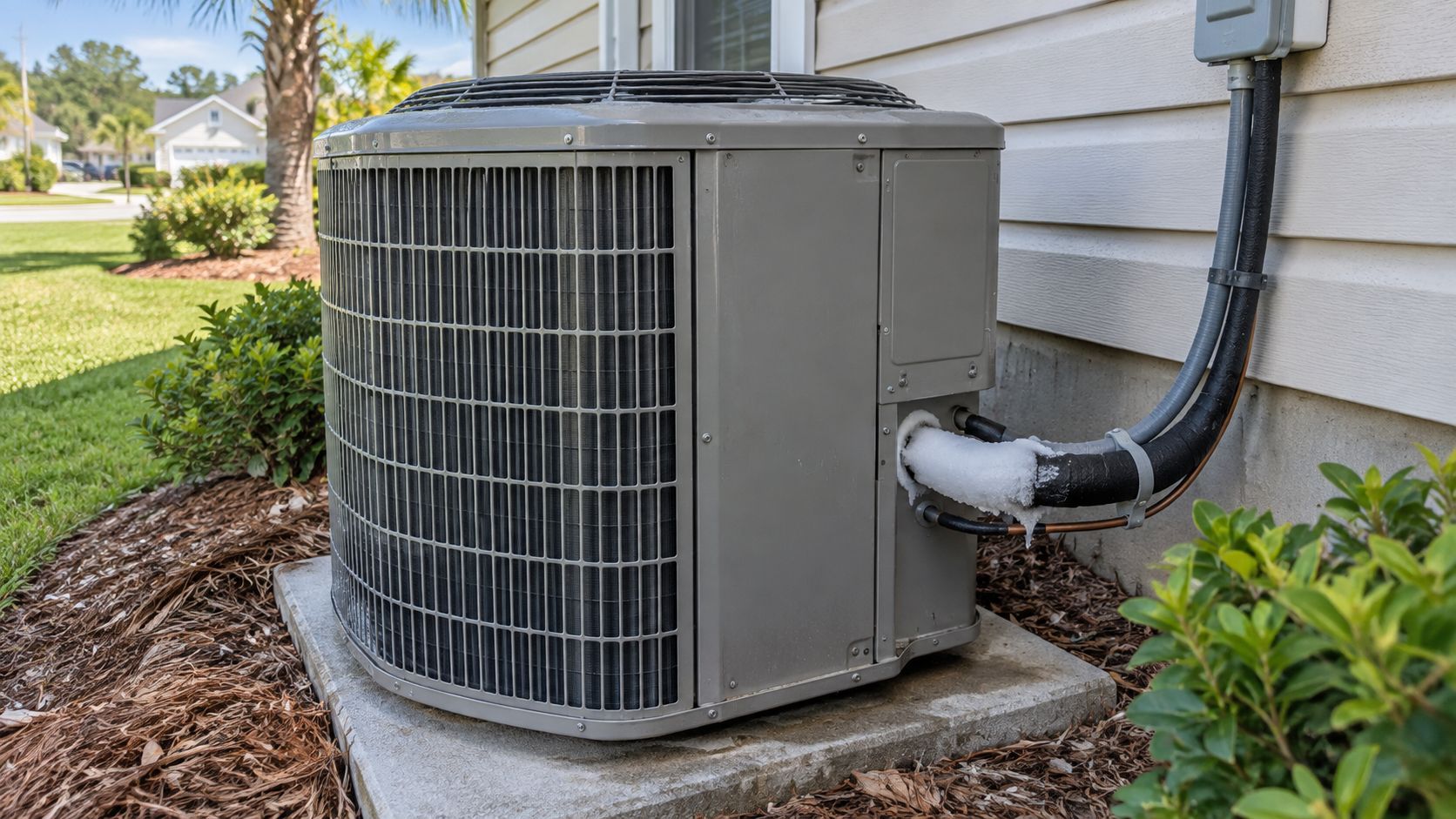
The installation process typically begins with safely disconnecting and removing the existing HVAC equipment. Technicians inspect refrigerant lines, electrical connections, ductwork, drainage systems, and mounting areas during this phase. Any damaged or outdated components discovered during removal should be addressed before new equipment is installed.
Older systems sometimes reveal hidden issues that were not visible during the initial inspection. Corroded drain lines, deteriorated ductwork, or unsafe electrical wiring may require repairs before installation continues. Addressing these concerns immediately helps protect the performance and safety of the new system.
Professional contractors also follow environmental guidelines when handling refrigerants and disposing of old equipment. Proper removal procedures protect both the property and the surrounding environment.
Installing and Connecting the New Equipment
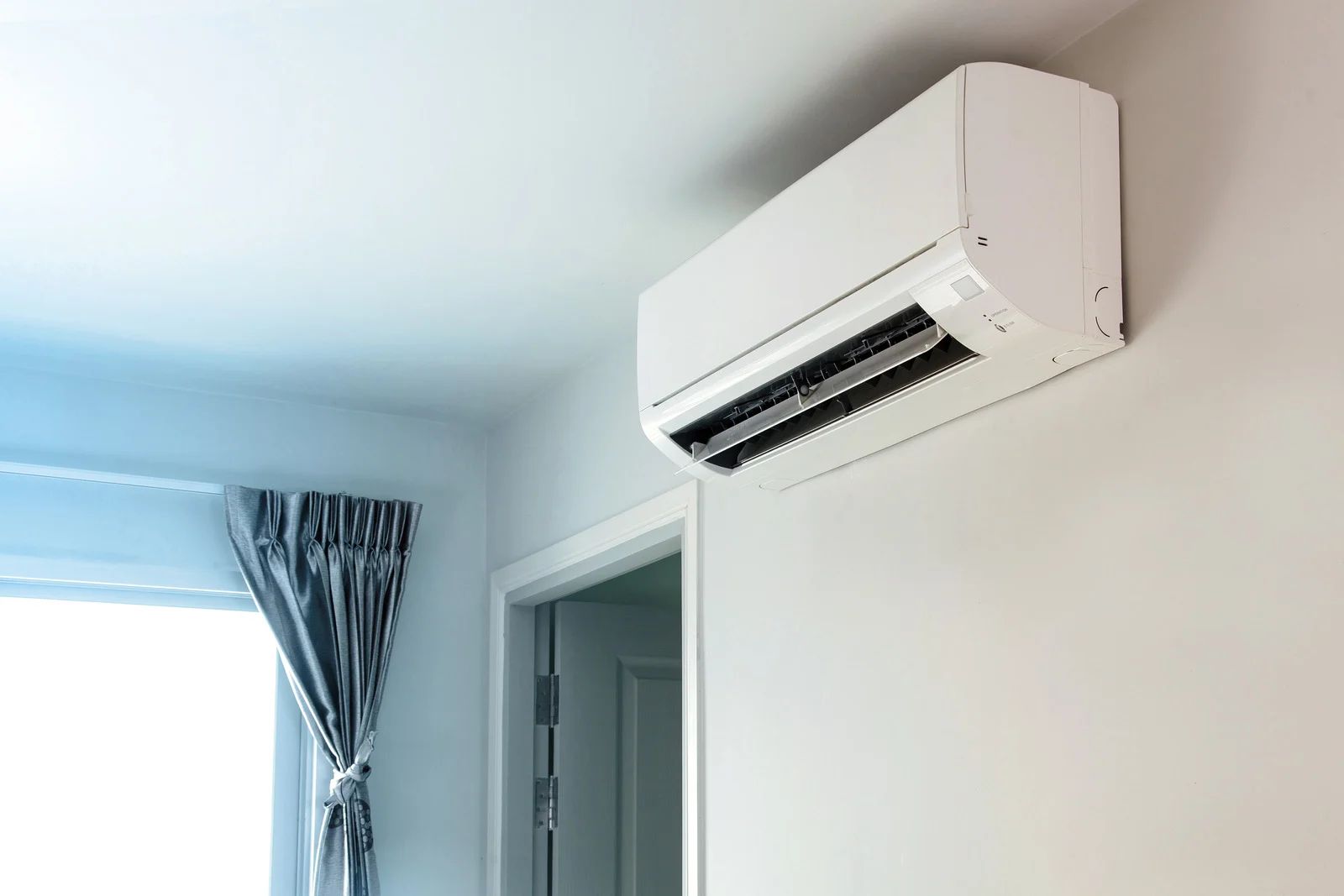
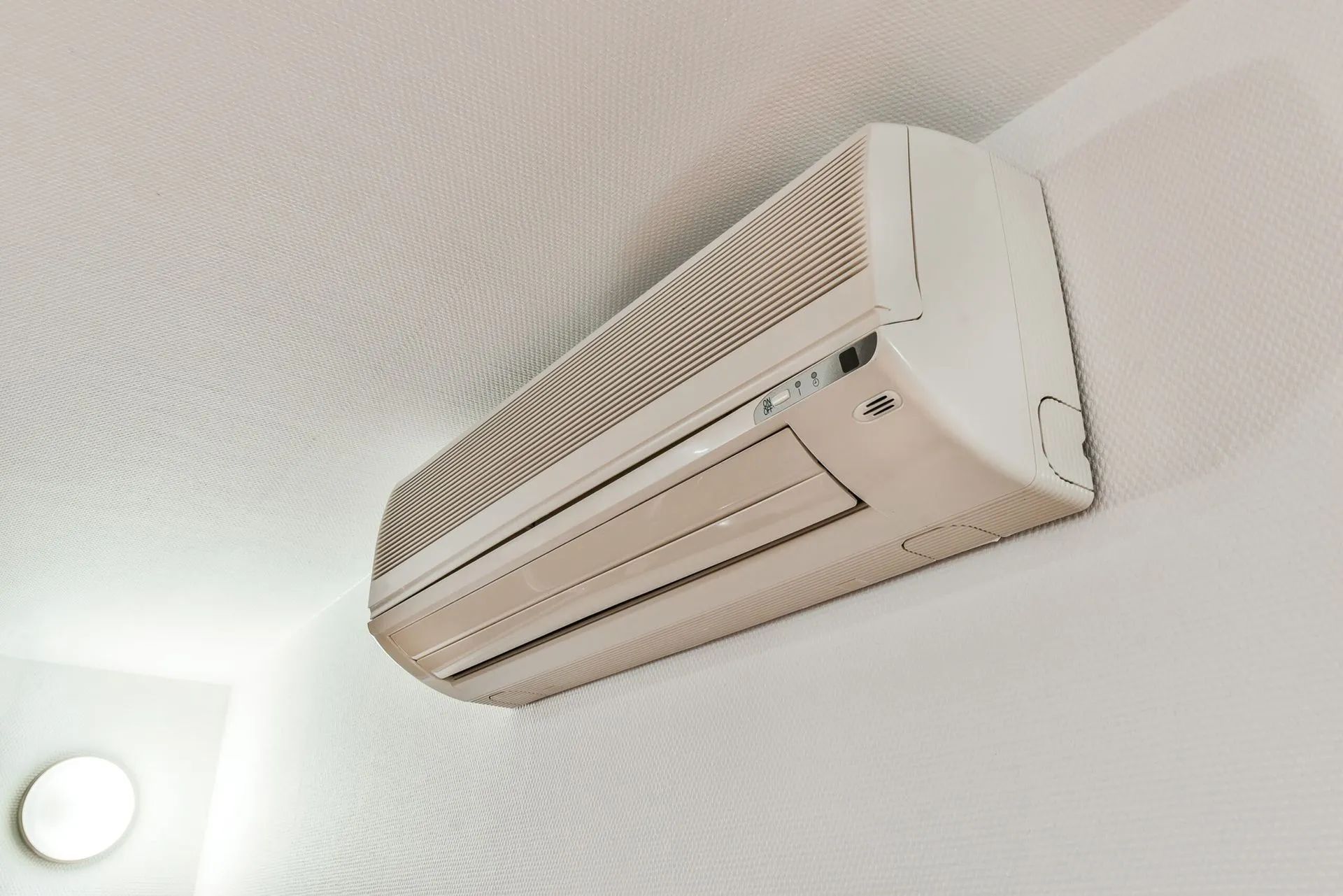
Once the old system is removed, technicians position and connect the new HVAC components. This stage includes installing indoor and outdoor units, connecting refrigerant lines, securing ductwork connections, wiring electrical systems, and calibrating thermostats.
Attention to detail during installation has a direct impact on long-term system performance. Poor airflow sealing, loose connections, or incorrect refrigerant levels can reduce efficiency and shorten equipment lifespan. Careful workmanship helps prevent many of the performance issues that develop after installation.
For example, improperly sealed duct connections may allow conditioned air to escape into attics or crawl spaces instead of reaching living areas. These hidden air losses force the system to work harder while reducing comfort throughout the property.
Testing System Performance
Before installation is considered complete, technicians perform detailed testing to confirm proper operation. Airflow measurements, refrigerant pressure checks, thermostat calibration, and electrical testing all help verify that the system is functioning correctly.
A thorough final inspection also gives property owners an opportunity to ask questions about operation, filter replacement schedules, thermostat settings, and maintenance recommendations. Understanding these details early helps avoid confusion after installation is finished.
Dependable HVAC Installation Guidance From Experienced Industry Professionals
A successful HVAC installation depends on careful planning, accurate system selection, professional workmanship, and long-term maintenance support. Every step in the process plays a role in determining how efficiently the system performs and how comfortable the property remains throughout the year. Taking the time to prepare properly, ask informed questions, and work with experienced professionals can eliminate many of the common frustrations that property owners face during heating and cooling upgrades. From initial consultation to final system testing, a structured approach helps create a smoother experience while protecting the value of the investment for years ahead.
Wynn Creek AC
proudly provides professional air conditioning repair service solutions throughout Gulf Shores, Alabama with 10
years of industry experience serving residential and commercial properties. Our approach focuses on honest communication, detailed evaluations, quality workmanship, and dependable customer support through every stage of HVAC installation and repair. We understand that replacing or upgrading a heating and cooling system can feel overwhelming, which is why we guide customers through the process with clear recommendations and practical solutions tailored to each property’s needs. Our commitment to reliable service, energy-efficient solutions, and long-term system performance has helped us build lasting relationships throughout the Gulf Shores community. Whether handling a complete HVAC installation, system replacement, or ongoing maintenance support, we bring experience, professionalism, and attention to detail that property owners can trust when comfort matters most.